
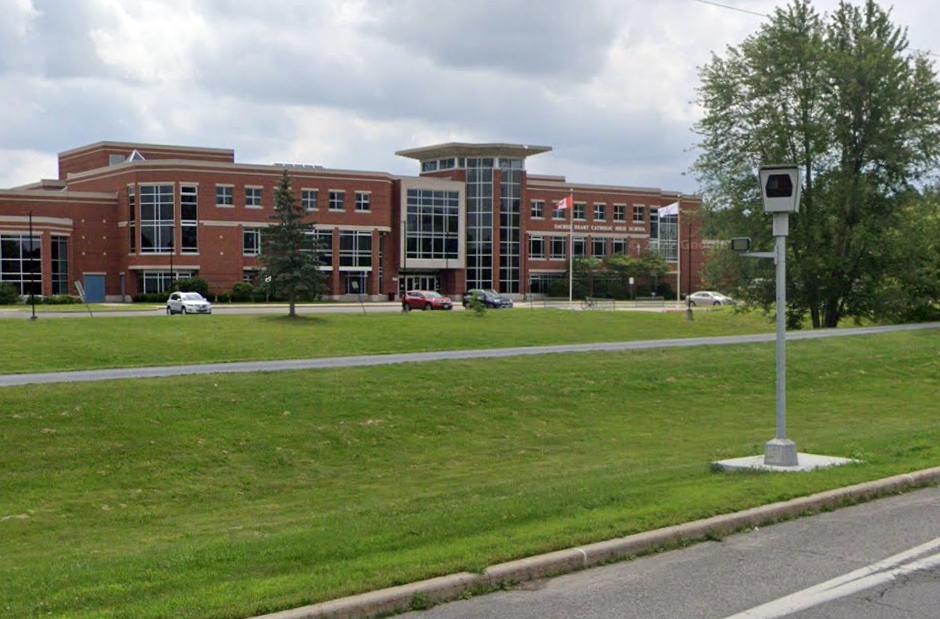
I’ll be honest: I’m still angry about the Province’s decision to scrap Automated Speed Enforcement (ASE) in school zones. And if you live in Stittsville, I think you should be too.
This was never just about "cameras." It was about the basic expectation that when a child is walking to school, drivers slow down. It was about creating a system where the people choosing to speed were the ones footing the bill for our road safety improvements, rather than the general taxpayer.
The Program Was Working (The Proof is in the Data)
This wasn't some theoretical "cash grab". In Ottawa’s original camera locations, compliance with speed limits didn't just marginally improve; it skyrocketed from 16% to 81% over three years. The number of drivers doing 15 km/h or more over the limit plummeted from 14% to less than 1%.
That is a massive, tangible drop in the exact kind of driving that leads to life-altering injuries.
What Stittsville Lost
We felt these benefits right here at home. Stittsville had three active ASE sites: Abbott Street near Sacred Heart, and two stretches of Stittsville Main near Holy Spirit and St. Stephen. Those weren't random spots; they were areas selected based on data which demonstrated low compliance with posted speed limits.
The loss isn't just about the cameras - it’s about the funding. ASE revenue didn’t vanish into a black hole; it directly funded our traffic calming, crossing guards, pedestrian crossovers, accessible sidewalks, and protected left-turns. When the Province scrapped the program, they took a significant piece of the budget for our safety infrastructure.
The School Drop-off Loop
We all see it every morning. When parents feel the streets are unsafe, they choose to drive their kids. This leads to more congestion, more risky U-turns, and more chaos at the bell. It becomes a self-fulfilling cycle of frustration.
The Province called this a "cash grab," but I don’t buy it. If you drive the limit, you don’t pay. It’s that simple. By cancelling the program, the Province shifted the financial burden back onto you, the taxpayer, while leaving us with a smaller pool of money to actually fix things.
Why it Matters
This isn't an abstract policy debate. This year, Ottawa lost Peter Clarke, an adult school crossing guard who died while protecting children on their way to school. We saw a child struck in a school zone in Barrhaven. We saw a car rollover in front of a school on Heron Road. These are the stakes. Our kids deserve protection now.
My Plan for Stittsville
As your Councillor, I’m not just going to sit with this frustration. I am pushing for:
- Maxing out Provincial Funding: Squeezing every cent out of the Road Safety Initiative Funding for Stittsville projects.
- Prioritizing Ward Funds: Moving school zones to the front of the line for our Temporary Traffic Calming ward budget.
- Converting Temporary Measures to Permanent: Temporary traffic calming solutions such as flex stakes and pavement markings were never intended to be the final solution. I will use a data-driven approach to convert locations to permanent measures, which are less demanding from an operations perspective, and are effective year-round.
- Real Accountability: Demanding clear answers from the Ottawa Police Service on how road safety funding is resulting in additional traffic enforcement.
- Breaking Down Silos: Getting the City’s traffic programs to talk to each other so we can more easily transition temporary measures into permanent solutions.
Last week, I left my position with the City of Ottawa to run in this election. I was working to support the Traffic Services department as a program and project management officer. Prior to this role, I was a Temporary Traffic Calming Coordinator for eight wards across the City. I understand traffic - the programs, funding streams, policies, and barriers. I will use this experience to better advocate for effective traffic calming in Stittsville.