
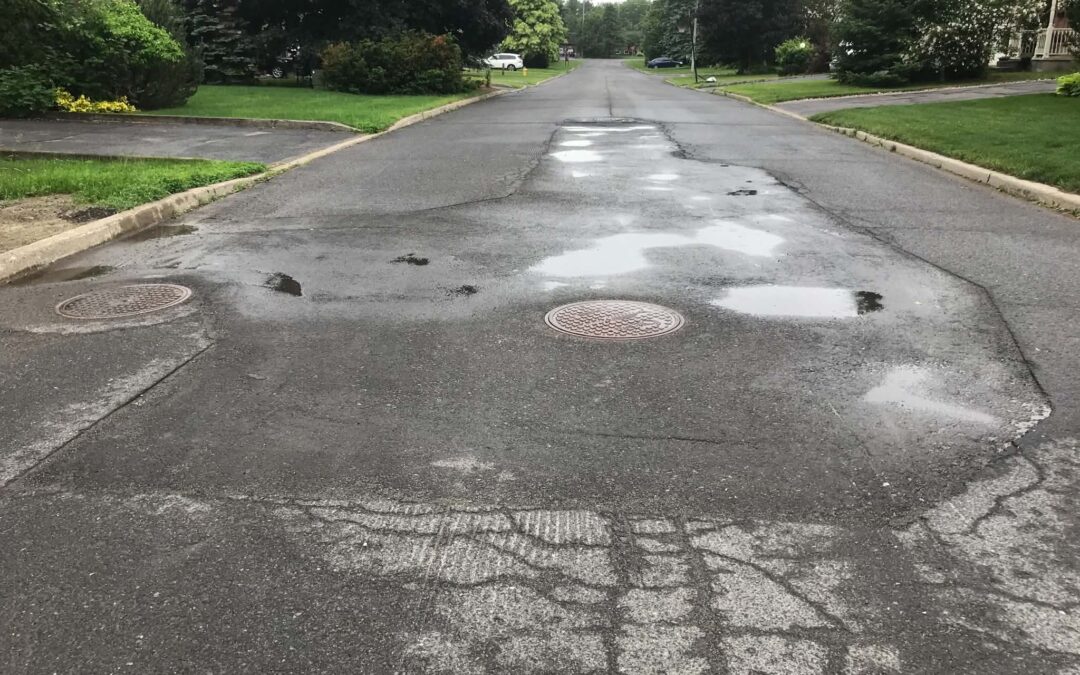
One thing I've noticed while knocking on doors across Stittsville is that the conversations change depending on the neighbourhood. In our newer communities, people usually want to talk about growth, traffic, transit, schools and parks. In our more established neighbourhoods, the conversation almost always turns to roads and sidewalks.
I've heard concerns about the crumbling shoulders on Brae Crescent and Savage Drive, the patchwork repairs on Stittsville Main Street, and roads like Old Orchard Crescent that have simply seen better days. Every street has its own story, but the message is remarkably consistent: People want to know that City Hall is looking after the infrastructure we already have.
For many residents, it's about more than the condition of the pavement. It’s about confidence in local government.
I've had long-time residents tell me they feel like their neighbourhoods have been forgotten while the focus has shifted to building what's next. Others have questioned how the City can successfully deliver billion-dollar projects if we're struggling to keep up with the basics. People want to know that City Hall can manage both today's responsibilities and tomorrow's challenges.
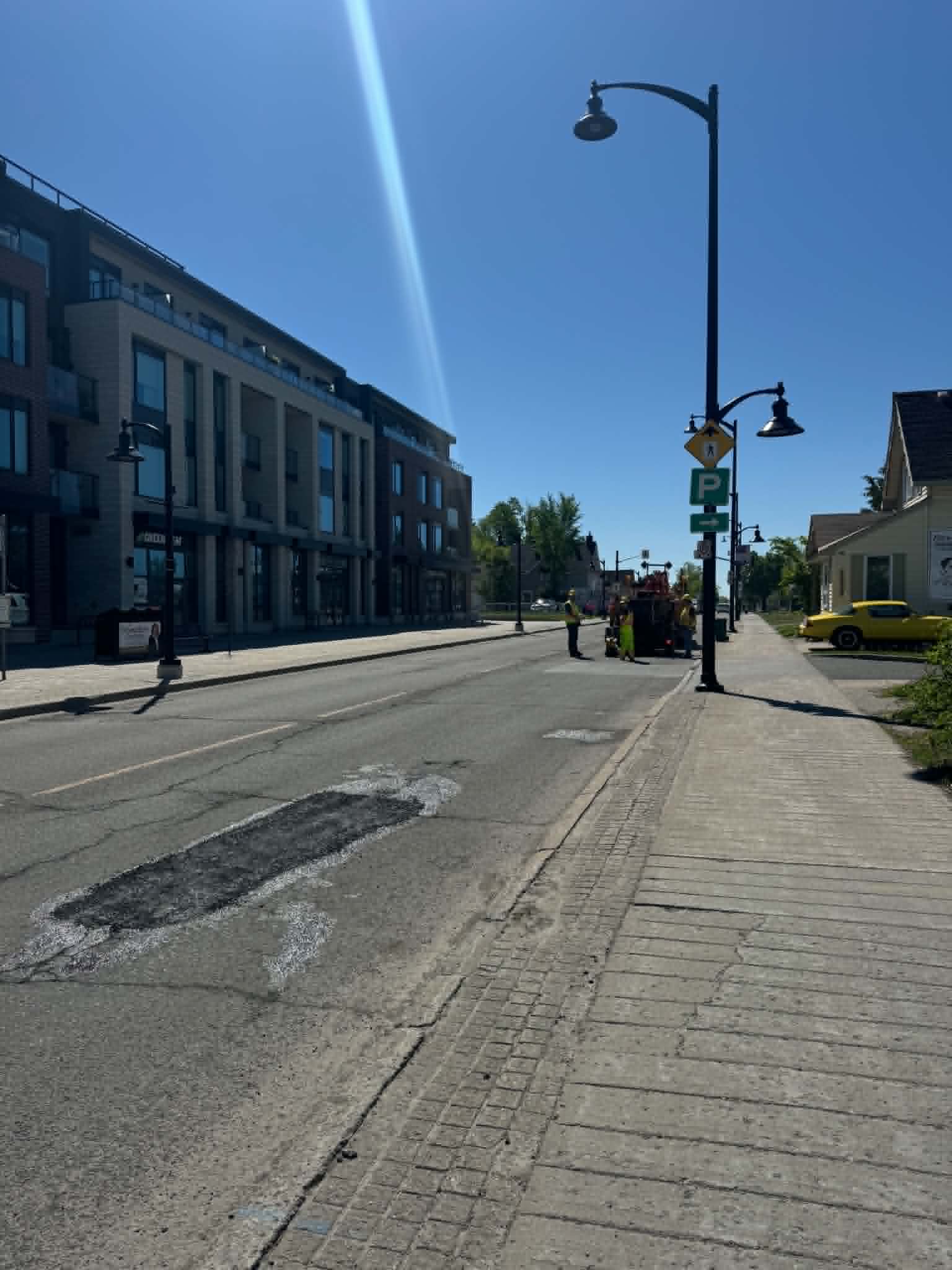
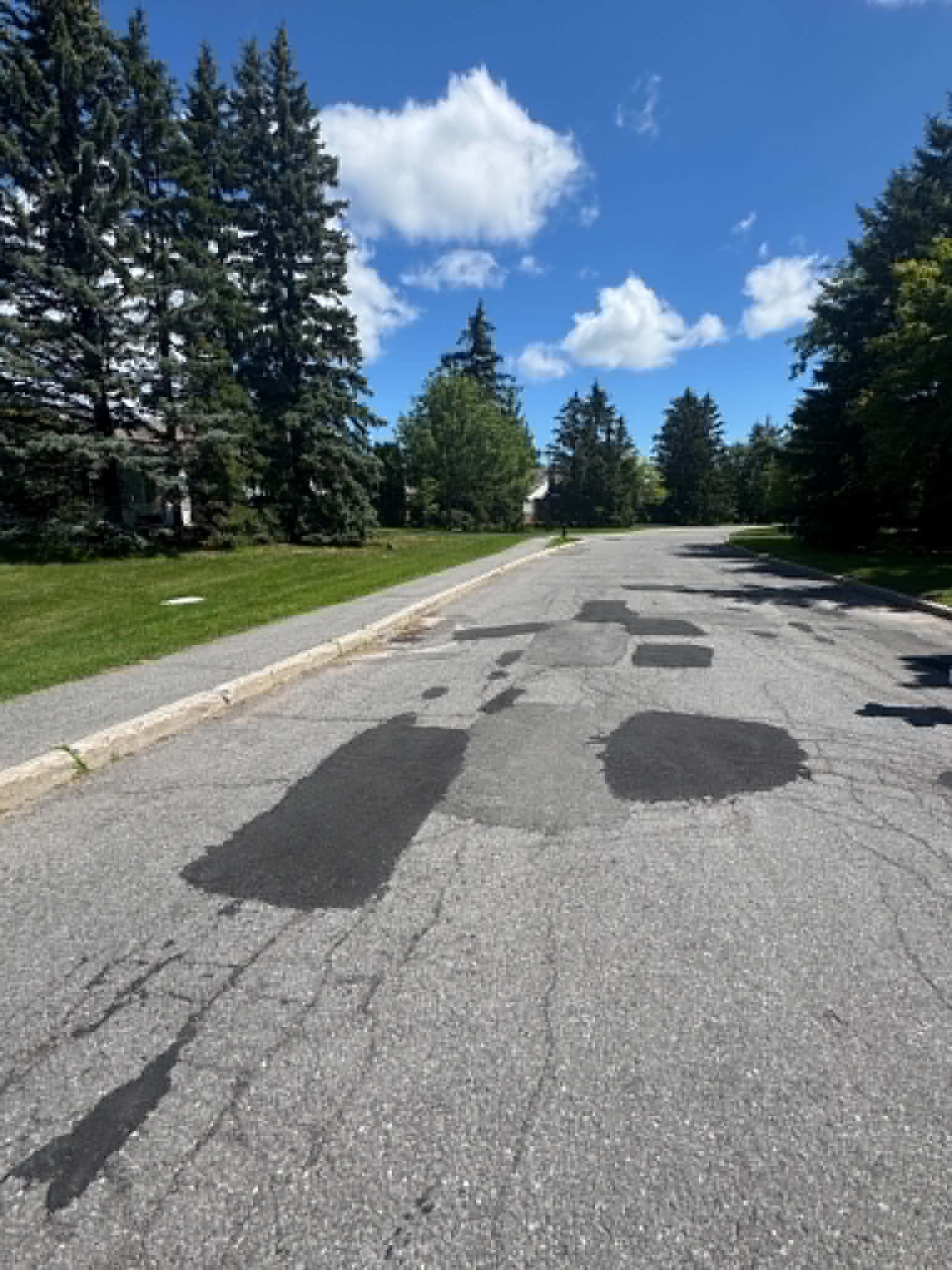
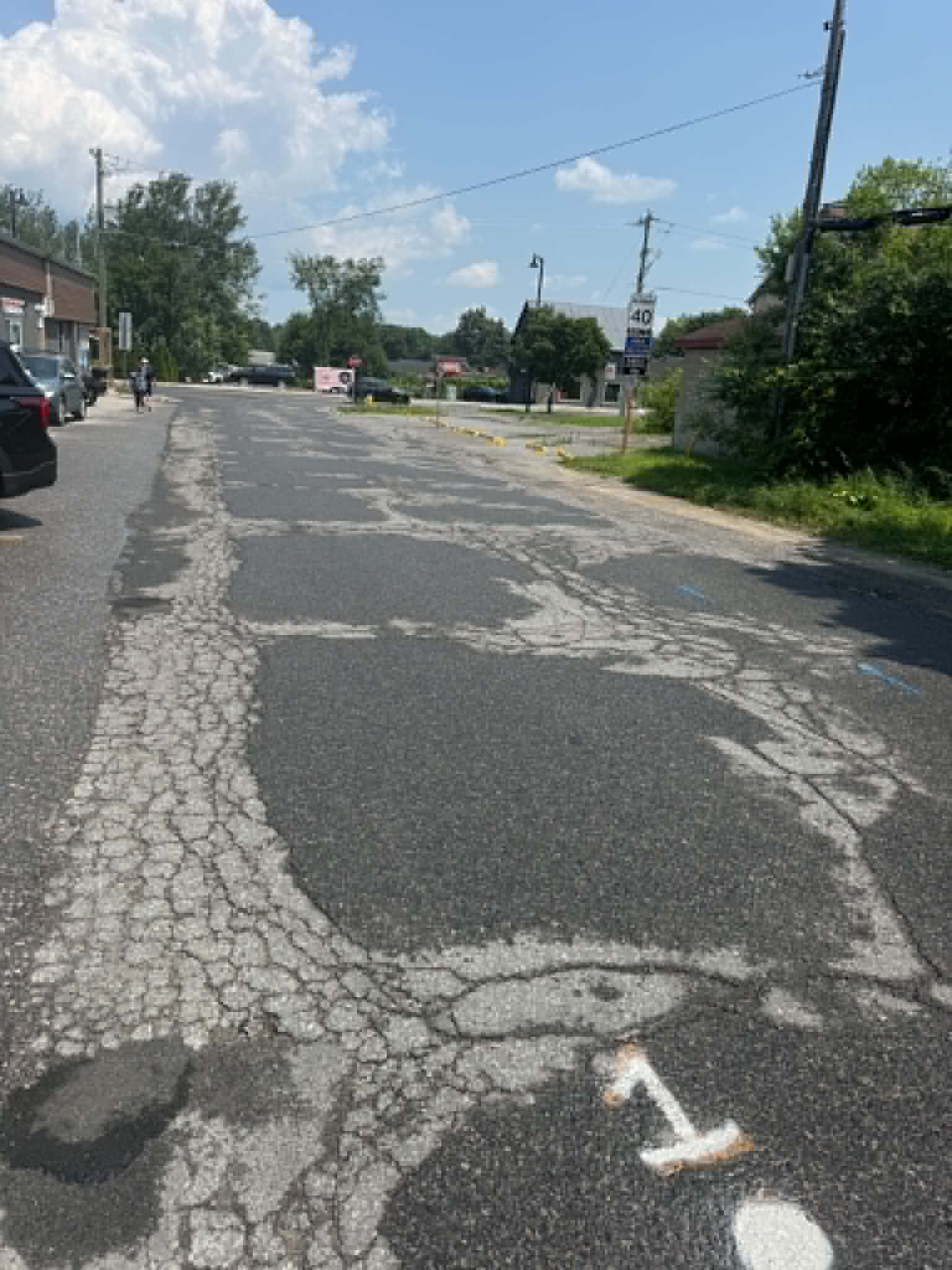
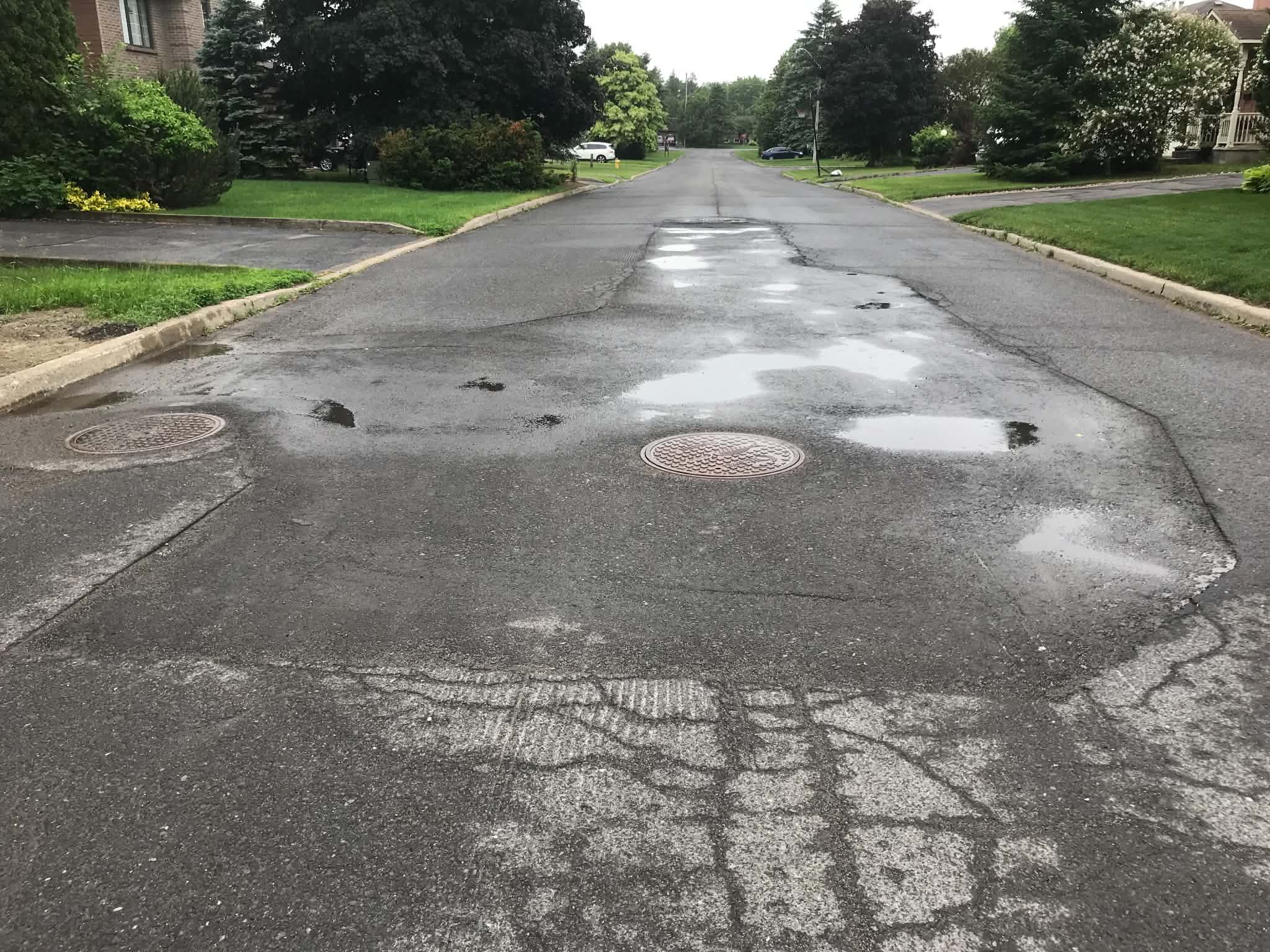
Roads and sidewalks are some of the City's most valuable assets. Almost everyone uses them every day, whether they're driving to work, walking the kids to school, cycling, catching the bus or simply heading out for a walk around the neighbourhood. Looking after them isn't glamorous, but it's one of the most important jobs a municipality has. Ottawa has an enormous road network to maintain. The City is responsible for more than 6,000 kilometres of roads across one of the largest municipalities in Canada by geographic area. Roads are inspected regularly and projects are prioritized using engineering assessments, traffic volumes, safety considerations and the condition of underground infrastructure.
Those inspections tell us what many residents already see for themselves; our infrastructure is aging. The average Ottawa road is about 45 years old, and only about one-third of the road network is currently rated in good or very good condition. The remainder? Fair to very poor. The City's Transportation Asset Management Plan estimates that maintaining Ottawa's paved roads over the next decade will require more than $1.5 billion, while the funding shortfall is approaching $930 million. To me, those numbers make a strong case for increasing investment in road and sidewalk maintenance.
It's easy to think that postponing maintenance saves money, but it usually does the opposite.
Roads continue to deteriorate, repairs become more extensive, and the eventual cost to taxpayers keeps growing. There are operational impacts too. As infrastructure declines, more residents are calling 311 to report problems. Crews spend more time responding to reactive repairs instead of planned maintenance. Schedules become harder to manage because emergency work has to take priority, and poor road conditions can contribute to vehicle damage claims and increased liability for the City. None of those things are good for residents, and none of them are a good use of public resources.
That's why preventative maintenance matters so much. Nobody gets excited about crack sealing or asphalt preservation, but those are often the projects that save taxpayers the most money. Extending the life of a road by even a few years gives the City the opportunity to stretch limited infrastructure dollars further.
When reconstruction is needed, it's coordinated with the replacement of watermains, sanitary sewers and stormwater infrastructure. That way we're not digging up a newly rebuilt road a few years later. It reduces disruption, makes better use of taxpayer dollars and allows multiple pieces of infrastructure to be renewed at the same time.
The Auditor General recently identified opportunities to improve Ottawa's road renewal program, including project prioritization, contractor oversight and quality assurance. The takeaway is pretty simple: If we're asking taxpayers to invest more in infrastructure, we also have a responsibility to make sure every dollar is being spent well.
If elected, I'll advocate for increased investment in road and sidewalk maintenance. I want to see the City invest more in preventative maintenance, gradually reduce the infrastructure deficit, hold contractors accountable for delivering quality work, and improve communication with residents about how infrastructure decisions are made.
That means being more transparent about priorities and timelines. If a street isn't scheduled for reconstruction for another five years, residents deserve to know why. If resurfacing is planned for next summer, they should know that too. People understand that not every road can be rebuilt at once, but they deserve clear information about where their street fits into the City's long-term plans and what they can realistically expect. None of these commitments are flashy, but together they help protect taxpayer dollars, improve accountability, and build confidence that City Hall is getting the basics right.
That’s the kind of stewardship I want to bring to City Council.