
My relationship with transit has changed a lot over the years, but one thing has stayed the same: for many people, it isn’t optional.
Growing up, my family didn’t have a car. Taking the bus across town to find affordable groceries wasn’t unusual. It was just a part of life. Transit was how we got to work, school, and everywhere else we needed to go.
Later, as a student in Centretown, I relied on transit constantly. I took the bus to Carleton and then back across the city to retail shifts in Westboro. This was before ride-sharing and delivery apps were everywhere. I still vividly remember the physical burn in my arms as I hauled a microwave home from Bayshore Mall on the bus, then lugged it all the way up Bronson Avenue.
It sounds funny now, but those moments stay with you. I learned early on how exhausting and small your world becomes when you are fully dependent on a system that doesn’t always work.
As a young adult, I purchased my first home in the village of Richmond on an affordable rural lot. My family owned one car and I felt the isolation of relying on just a few daily express routes. More recently, as a mom in Stittsville, I’ve been that person on the train from City Hall, obsessively checking my watch and praying the system wouldn’t fail so I could make it to daycare pickup on time.
These experiences taught me that financial flexibility changes your relationship with the system. If you can afford to drive or call an Uber, you have options when transit is unreliable. But many of our neighbors don’t. They are stuck with whatever service (eventually) shows up.
Many of our lives don’t revolve around a traditional 9 to 5 downtown commute anymore. We are trying to get to childcare, shift work, groceries, and kids’ activities at all hours of the day. When a system is designed only to funnel people to one central point, it fails everyone else.
Beyond the current frustration, there is a long-term cost to this. When we design transit strictly for the office worker, we are essentially telling the next generation that driving is their only real option. If a student in Stittsville can’t reliably get to a weekend shift or an evening lab at Algonquin or Carleton, they stop looking at the bus as a viable tool. We are teaching them that the system isn’t for them. Once someone is forced to buy a car just to participate in the workforce, it is incredibly hard to win them back as a rider.
Many long-time Stittsville residents will remember Team 263. It was a group of neighbours who rode Route 263 together every day. People got to know each other. They shared routines, checked in on one another, and made a growing neighbourhood feel like a real community. We’ve lost that. Reliability challenges and changing work patterns have eroded our confidence, but I want to get back to a place where transit isn’t a source of daily anxiety.
Rebuilding trust is going to take more than slogans. It requires a proactive, realistic plan.
The bus and train simply have to show up when they are supposed to. We need to move away from best-case scenario planning and build actual resiliency into our schedules so one delay doesn’t derail a thousand residents’ evenings.
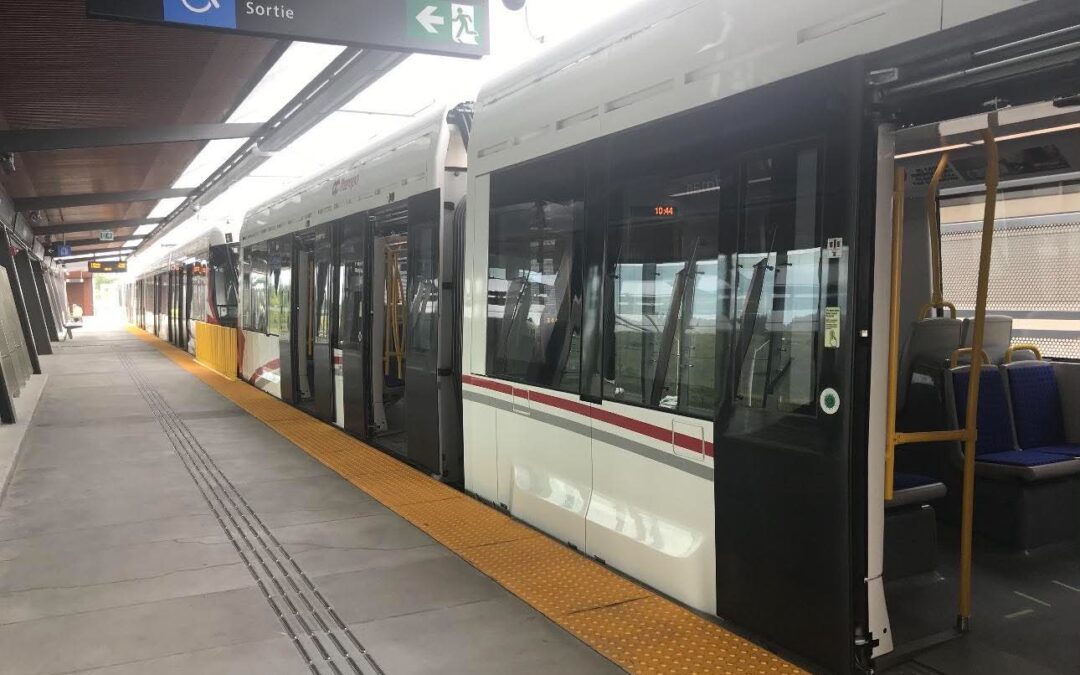
We also need to return to double-car trains as quickly as possible. It isn’t just about being left behind on the platform. It is about the uncomfortable crowding that make transit stressful. No one enjoys spending their commute squished against a door just to ensure they can escape off at their stop.
Stittsville is no longer just a commuter suburb. We need transit that works for shift workers and seniors all day. I support the extension of Phase 3 LRT to Hazeldean Road, but a train is only useful if you can get to it. That means high-frequency feeder routes and park-and-ride options that actually function for families.
I will also continue to push for the provincial upload of transit operations with current transit funding reinvested directly into improving service for residents.
Finally, I’m committing to using the system myself. While meetings across the city will occasionally require me to drive, I will be on the bus and the train regularly. I want to see the good, the bad, and the frustrating firsthand. Understanding your experience is the only way I can effectively advocate for the changes we need.
Transit is about more than just moving people. It’s about connecting us to work, school, healthcare, and opportunity.
Right now, too many people feel like the system is failing them. People deserve a transit system they can rely on. We won’t rebuild trust through slogans, spin, or empty promises. We rebuild it by improving reliability, planning realistically, listening to residents, and delivering a system that actually works for the people using it everyday.
That’s the kind of leadership I’m committed to bringing to City Hall: practical, honest, solution-oriented, and focused on rebuilding a transit system that works for Stittsville residents and for the city as a whole.